
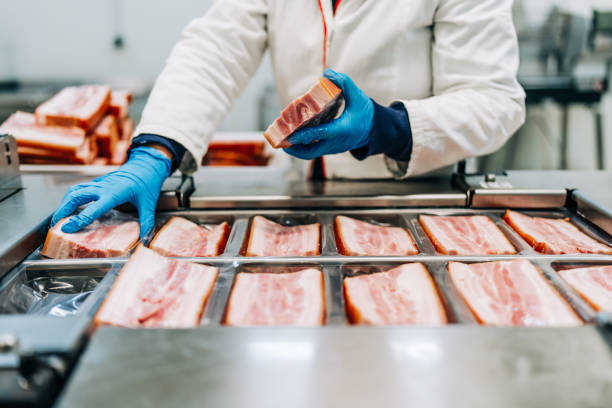
This is the heading
Lorem ipsum dolor sit amet, consectetur adipiscing elit. Ut elit tellus, luctus nec ullamcorper mattis, pulvinar dapibus leo.
Meat, Honey, and Wax Product Processing and Quality Executive leader
Welcome to the Meat, Honey, and Wax Product Processing and Quality Executive leader of the Livestock Development Institute. We are dedicated to enhancing the competitiveness, quality, and sustainability of Ethiopia’s livestock product processing sector.
In alignment with the Institute’s mandate, our focus is strictly on post-harvest handling, processing, quality compliance, and market readiness. We serve as the bridge between primary production and high-value local and international markets.
Our Target Beneficiaries
We collaborate with and support a wide range of stakeholders, including:
- Local Meat Processors or Abattoirs: Beef, camel, poultry, fish, mutton, and chevon processors serving the domestic market.
- Meat Processors & Exporters: Enterprises focused on beef, camel, poultry, fish, mutton, and chevon for international markets.
- Local Honey & Wax Processors: Small-scale and commercial producers and processors seeking to improve quality and efficiency.
- Honey & Wax Processors & Exporters: Commercial entities aiming to meet international standards for honey and beeswax.
- Slaughter By-Product Processors & Exporters: Businesses adding value to by-products such as blood, bone, and intestines for local and export markets.
Our Services
We provide targeted technical and advisory services to ensure that your processing operations meet the highest standards of quality, efficiency, and competitiveness.
- Technical Support and Advisory Service
We offer hands-on assistance and consultancy service to help your processing facility achieve optimal performance and compliance. Our technical support and consultancy service includes:
- Meat Processing: Providing expert guidance on beef, poultry, fish, mutton, and chevon processing-including slaughtering techniques, deboning, portioning or prime cut preparation, value-added product development, packaging, and labelling to meet local and export market requirements.
- Honey and Wax Processing: Offering specialized support on honey extraction, filtering, ripening, packaging, labelling and beeswax rendering and purification to ensure product quality, shelf stability, and compliance with national and international market standards.
- Process Optimization: Advising on best practices for slaughtering, butchering, honey extraction, and wax rendering to minimize waste and maximize yield.
- Regulatory Compliance Guidance: Assisting processing plants in understanding and complying with national and international food safety regulations, sanitary and phytosanitary (SPS) requirements, and international trade standards
- Quality and safety Management System Implementation: Guiding and advising processing plants in the development and implementation of Quality Management Systems (QMS), HACCP/ISO 9001:2015, and ISO 22000:2018 to achieve certification and meet international market requirements
- Technology and Equipment Selection: support and advise investors and processors on appropriate technology, machinery, and equipment for meat, honey, and wax processing to enhance productivity and product quality..
- Best Practice Implementation: support and advice on the identification, compilation, and implementation of internationally accepted best practices to accelerate competitiveness in meat, honey, and wax processing.
- Training
We build capacity within the processing plant through knowledge transfer and expert guidance. Our services include:
Tailor-Made Training: We offer comprehensive, practical training programs designed to build capacity, enhance quality, and improve competitiveness across the meat, by-product, honey, and wax processing sectors.
Meat and By-Product Processing
Our meat and by-product processing training programs focus on modern techniques and best practices that ensure product quality, safety, and market readiness.
- Modern Slaughtering Technique: Training on humane and efficient slaughtering methods that comply with international standards, covering proper stunning techniques, bleeding, dressing, and carcass handling to minimize animal stress and ensure optimal meat quality.
- Meat Processing: Hands-on training on value-added meat processing techniques including deboning, portioning or prime/retail cut, marination, curing, and development of processed meat products suitable for local and export markets.
- Meat Quality and Safety: Comprehensive training on meat quality attributes, sensory evaluation, and implementation of Good Manufacturing Practices (GMP), Hazard Analysis Critical Control Point (HACCP), and sanitation protocols to ensure consumer safety and regulatory compliance.
- Cold Chain Management: Training on proper refrigeration, freezing, temperature monitoring, and transportation practices to maintain product integrity and extend shelf life from processing facility to final destination.
- Slaughter Animal Handling and Transportation: Training on stress reduction techniques, proper loading and unloading procedures, transportation best practices, and lairage management to improve animal welfare and carcass quality.
- By-Product Processing and Handling: Training on collection, processing, and preservation of offal, hides, skins, blood, bones, and intestines for use in human food, animal feed, pharmaceuticals, and industrial applications.
Honey Processing
- Honey Extraction and Processing: Training on modern extraction techniques including uncapping, centrifugal extraction, filtration, and settling, with emphasis on hygienic practices that preserve honey’s natural properties.
- Honey Quality, Handling, Packaging, and Storage: Training on moisture content control, HMF and diastase activity management, proper handling practices, packaging material selection, labeling requirements, and optimal storage conditions to prevent fermentation and crystallization.
Wax Processing
- Beeswax Harvesting and Collection: Training on best practices for collecting wax from hives, separating wax from honey and other materials, and proper handling techniques to preserve wax quality from the point of harvest.
- Beeswax Rendering and Purification: Training on traditional and modern rendering methods including solar rendering, steam rendering, hot water processing, filtration, purification, and color improvement techniques to produce high-purity beeswax.
- Beeswax Quality Standards: Training on physical and chemical properties of quality beeswax, detection of adulteration and contaminants, and compliance with national and international standards.
- Beeswax Processing, Packaging, and Storage: Training on processing beeswax for cosmetic, pharmaceutical, candle, and food-grade applications, along with proper packaging methods, labeling requirements, and storage conditions to maintain quality and extend shelf life.
- Research and Studies
We drive innovation and informed decision-making through targeted research and data analysis. Our work includes:
Meat and By-Product Research
- Meat Processing Technology Research: Conducting studies and research on modern slaughtering techniques, value-added meat processing methods, innovative preservation and packaging technologies to enhance meat product quality and shelf life.
- Meat Quality and Safety Studies: conduct research on meat quality attributes, microbial safety, residue contamination, and food safety management systems to support the development of evidence-based quality assurance protocols. Additionally we conduct research on analysis of meat physicochemical composition and organic compounds to improve meat quality and safety.
- Carcass Grading and Yield Optimization Research: Conduct studies and research on carcass classification systems, grading standards, and yield prediction models to optimize carcass utilization and ensure consistent product quality for local and export markets.
- Pre slaughter stress and Meat quality: Conduct studies and research on the impact of animal handling, transportation, lairage conditions, and stunning methods on meat quality attributes including pH, color, water-holding capacity, and tenderness to develop best practices that minimize stress and enhance final product quality.
- Packaging Technology and Shelf-Life Extension Research: Investigating active packaging, modified atmosphere packaging (MAP), vacuum packaging, and biodegradable packaging materials to extend shelf life, reduce food waste, and maintain product quality.
- Meat Nutritional Composition and Health Implications Research: Analyzing the nutritional profile of meat including fatty acid composition, cholesterol content, vitamin and mineral levels to support evidence-based nutritional labeling and health marketing claims.
- Sensory Evaluation and Consumer Preference Research: Conducting consumer sensory studies to understand preferences for meat quality attributes, flavor profiles, and product characteristics to guide product development and market positioning.
- By-Product Utilization Studies: conduct studies and research on value-added applications for slaughter by-products including blood, bone, offal, and intestines for use in food, feed, pharmaceutical, and industrial sectors.
- Meat Authenticity and Traceability Research: Conducting studies on meat species identification, origin verification, and traceability systems to combat fraud, enhance consumer trust, and meet international export requirements.
- Cold Chain and Logistics Research: Investigating cold chain infrastructure, temperature management practices, and distribution systems to identify gaps and recommend improvements for maintaining product integrity.
Honey Research
- Honey Quality and Authenticity Research: Conducting studies on honey physicochemical properties (Moisture Content, Sugar Profile, HMF, Acidity, Ash, and Diastase Activity), botanical origin determination, and detection of adulteration to support quality assurance and traceability systems.
- Honey Processing and Preservation Research: Investigating extraction techniques, filtration methods, and storage conditions to optimize processing efficiency and maintain honey quality.
- Honey Crystallization Management Research: Investigating factors affecting honey crystallization and developing methods to control crystallization for improved consumer acceptance and product consistency.
- Honey Contaminant Detection and Mitigation Research: Developing methods for detection and reduction of contaminants including antibiotics, pesticides, heavy metals, and environmental pollutants in honey to ensure food safety and export compliance.
- Honey Shelf-Life and Storage Stability Research: Conducting studies on the effects of temperature, light, humidity, and packaging materials on honey quality during long-term storage to establish optimal storage guidelines.
Wax Research
- Beeswax Quality and Purity Research: Studying the physical and chemical properties of beeswax, developing methods for adulteration detection, and establishing quality benchmarks for domestic and export markets.
- Beeswax Value-Added Applications Research: Exploring innovative uses of beeswax in cosmetics, pharmaceuticals, food coatings, and industrial applications to expand market opportunities.
- Beeswax Processing Optimization Research: Investigating rendering, filtration, purification, and bleaching techniques to improve beeswax quality, color consistency, and processing efficiency.
- Beeswax Adulteration Detection Methods Research: Developing rapid and reliable analytical methods for detecting adulterants such as paraffin, stearin, and other waxes in beeswax to protect market integrity.
- Beeswax Storage Stability and Aging Research: Studying the effects of storage conditions, temperature, and time on beeswax quality parameters including acid value, saponification value, and melting point to establish optimal storage guidelines
Cross-Cutting Research
- Market Intelligence and Investment Studies: Collecting and analyzing market information, trade data, and investment trends to inform policy development and business decision-making.
- Best Practice Compilation and Scaling: Identifying, documenting, and scaling up internationally accepted best practices to accelerate the competitiveness of the meat, honey, and wax processing sectors.
- Indigenous Knowledge Documentation: Researching and documenting traditional processing techniques and indigenous knowledge for integration into modern processing systems.